
Brown leaves on indoor and outdoor plants can be frustrating. We like to watch our plants thrive and grow, yet they sometimes develop brown leaves. I find it worrying when I see once-vibrant leaves developing brown tips, dry patches, or crispy edges. It’s usually a warning sign that something isn’t quite right with the plant’s care or environment. From my experience, several things can be behind this color change, and it helps to understand each possible cause to help your plant recover.
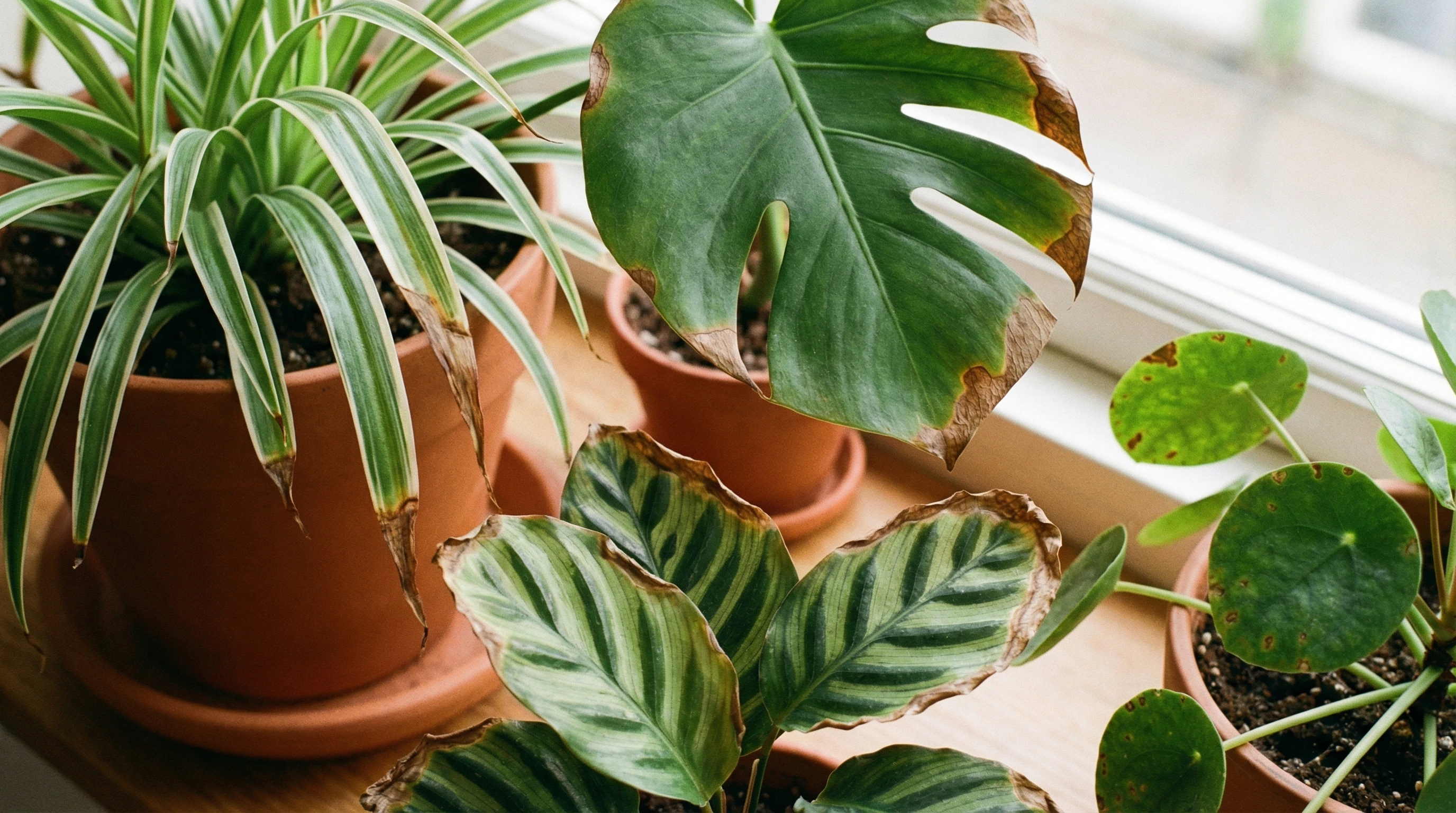
Common Reasons Leaves Turn Brown
Plants show stress in many ways, and brown edges or tips are classic signs that your plant is dealing with a problem. Some causes are easy to fix, while others may need ongoing attention. Here are the most common reasons I’ve seen for browning leaves:
- Dehydration (Underwatering): When a plant doesn’t get enough water, the edges and tips of leaves can dry out and turn brown. This often starts with crispiness and a dull look, moving from the tip down.
- Too Much Water (Overwatering): Overwatering can be just as tough for plants. Roots sitting in water begin to rot, making it hard for the plant to take up moisture and nutrients. Leaves may yellow first and then develop brown spots or edges because of root damage.
- Low Humidity: Many popular houseplants, like philodendrons and calatheas, come from humid areas. When indoor air is dry, especially during winter, leaf edges can turn brown from lack of moisture in the air.
- Improper Fertilization: Too much fertilizer, especially high in salts, can burn roots and show up as brown tips or edges. Even skipping fertilizer altogether can cause yellowing and browning over time because of weak nutrition.
- Poor Water Quality: Tap water with high salt, chlorine, or fluoride can cause brown patches or edges. Sensitive plants, like spider plants and dracaenas, react quickly to harsh water minerals.
- Iron Deficiency or Other Nutrient Problems: If soil is missing minerals, such as iron, magnesium, or potassium, the leaves might turn pale with dark brown edges, showing nutrient distress.
- Sun Burn: Direct sunlight can scorch leaves, especially in hot afternoon hours or through windows. This causes pale, then brown, patches that look dry or crispy to the touch. Sometimes you’ll notice brown streaks along the veins of the leaf. Many house plants are shade-loving
- and so much as using too bright of a light can damage leaves.
Recognizing the Specific Type of Browning
The way browning appears can give clues about what’s wrong. For me, spotting these visual hints helps me adjust care quickly. Here are a few patterns to watch for:
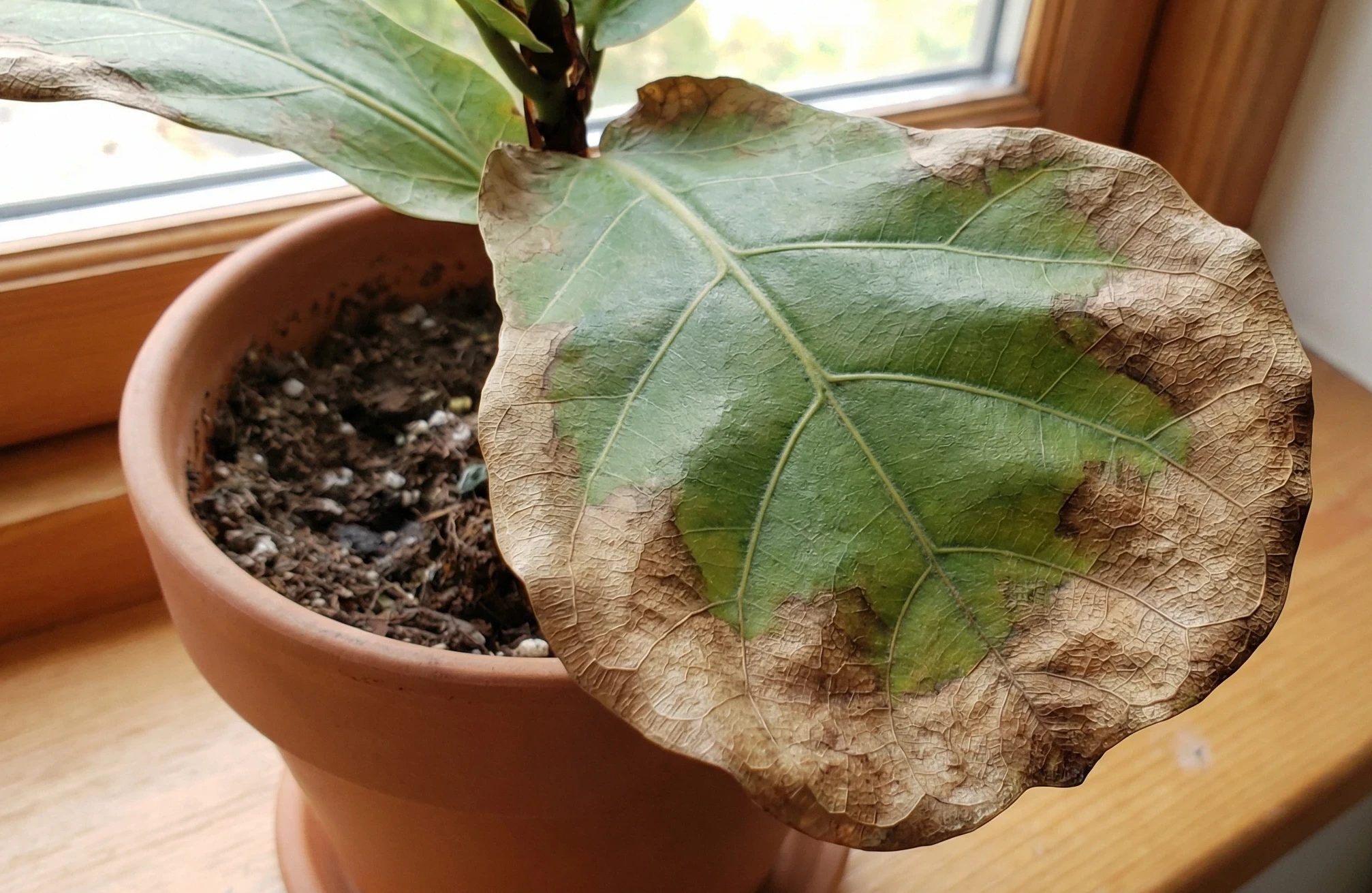
- Brown Crisp Edges: Usually from underwatering or low humidity. The browning starts at the tips and works toward the center.
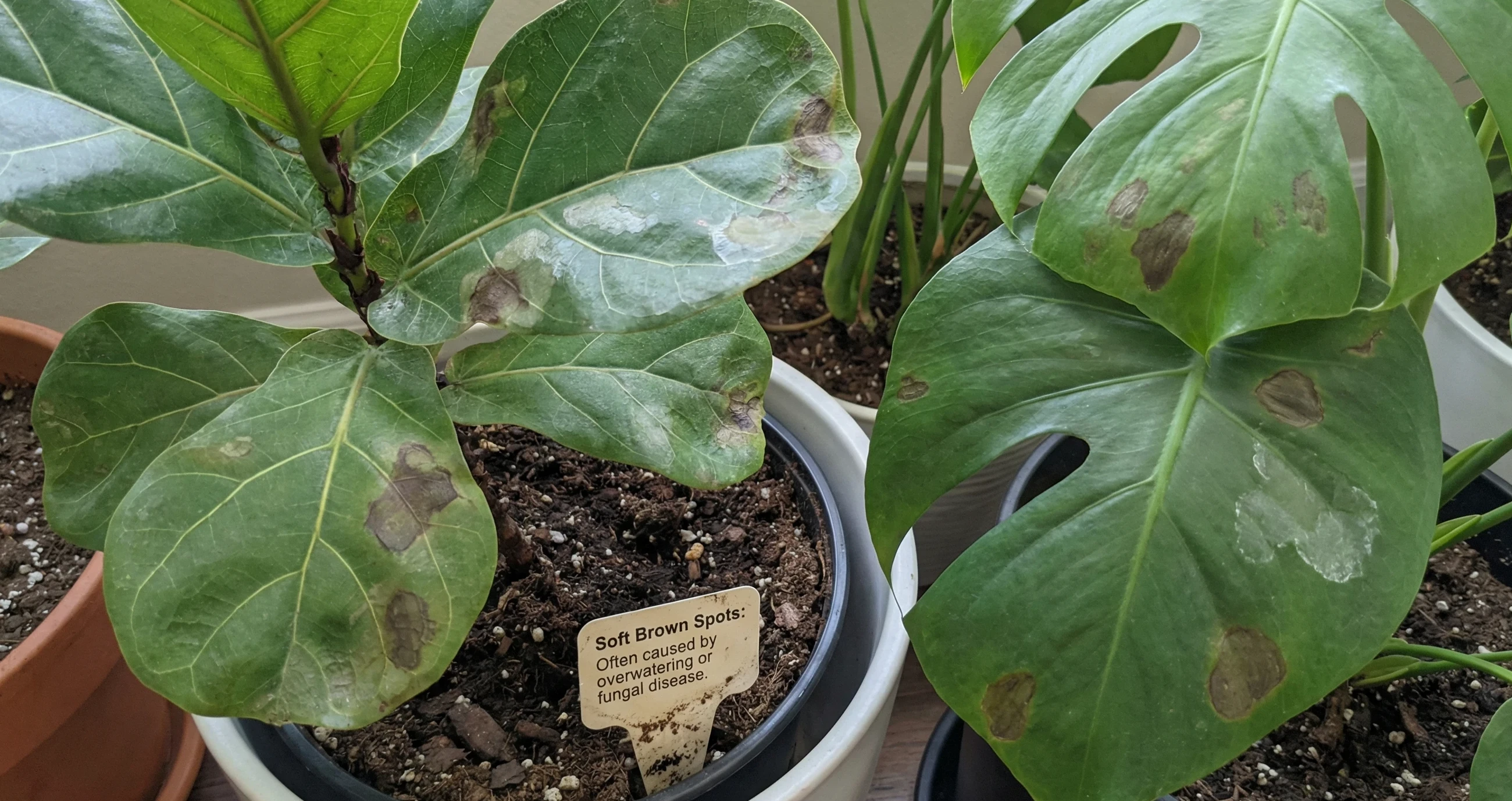
- Soft Brown Spots: Often caused by overwatering or fungal disease. These spots may look water-soaked early on, then turn mushy or black.
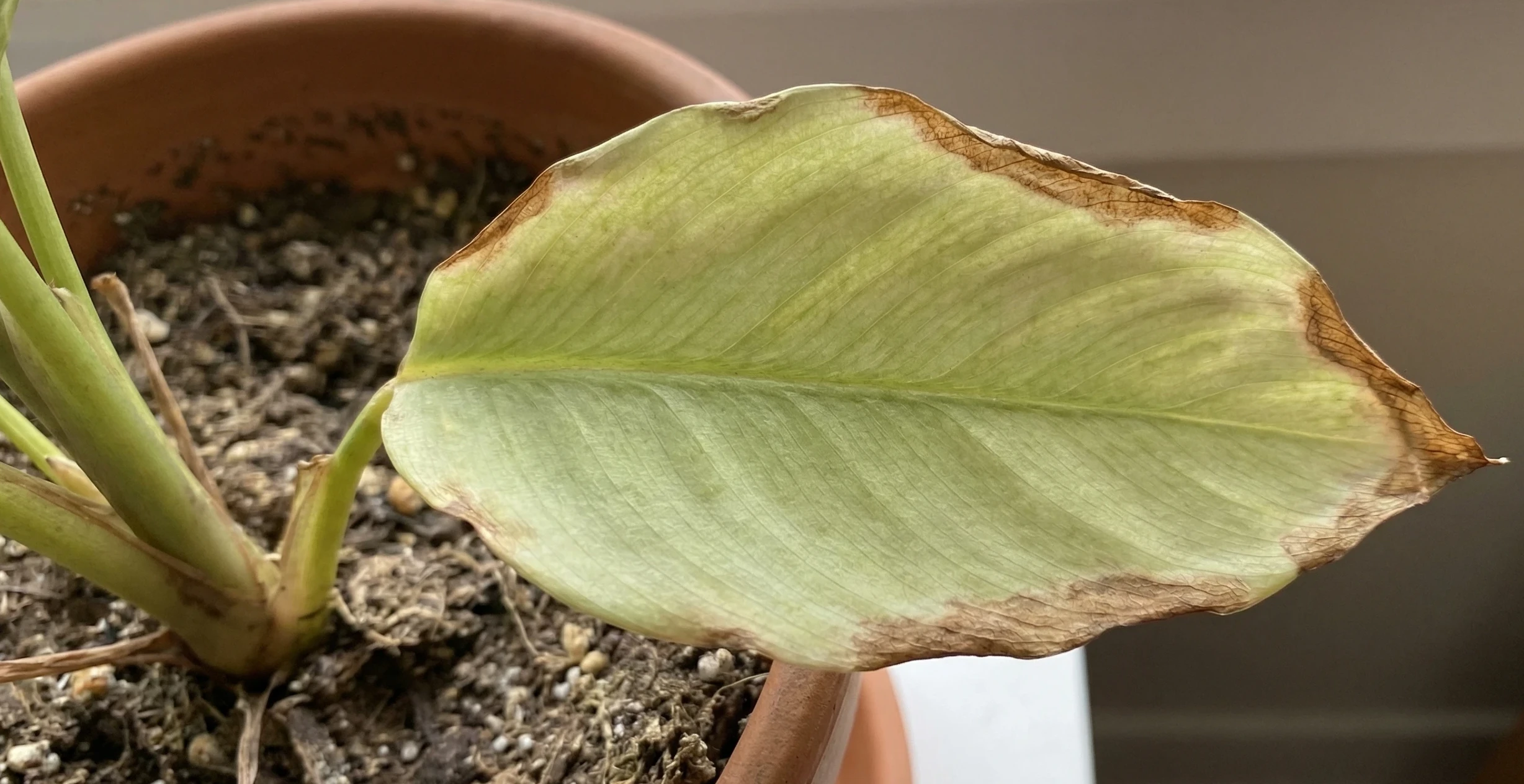
- Pale Leaves with Brown Margins: Signs of nutrient deficiency or poor soil quality.
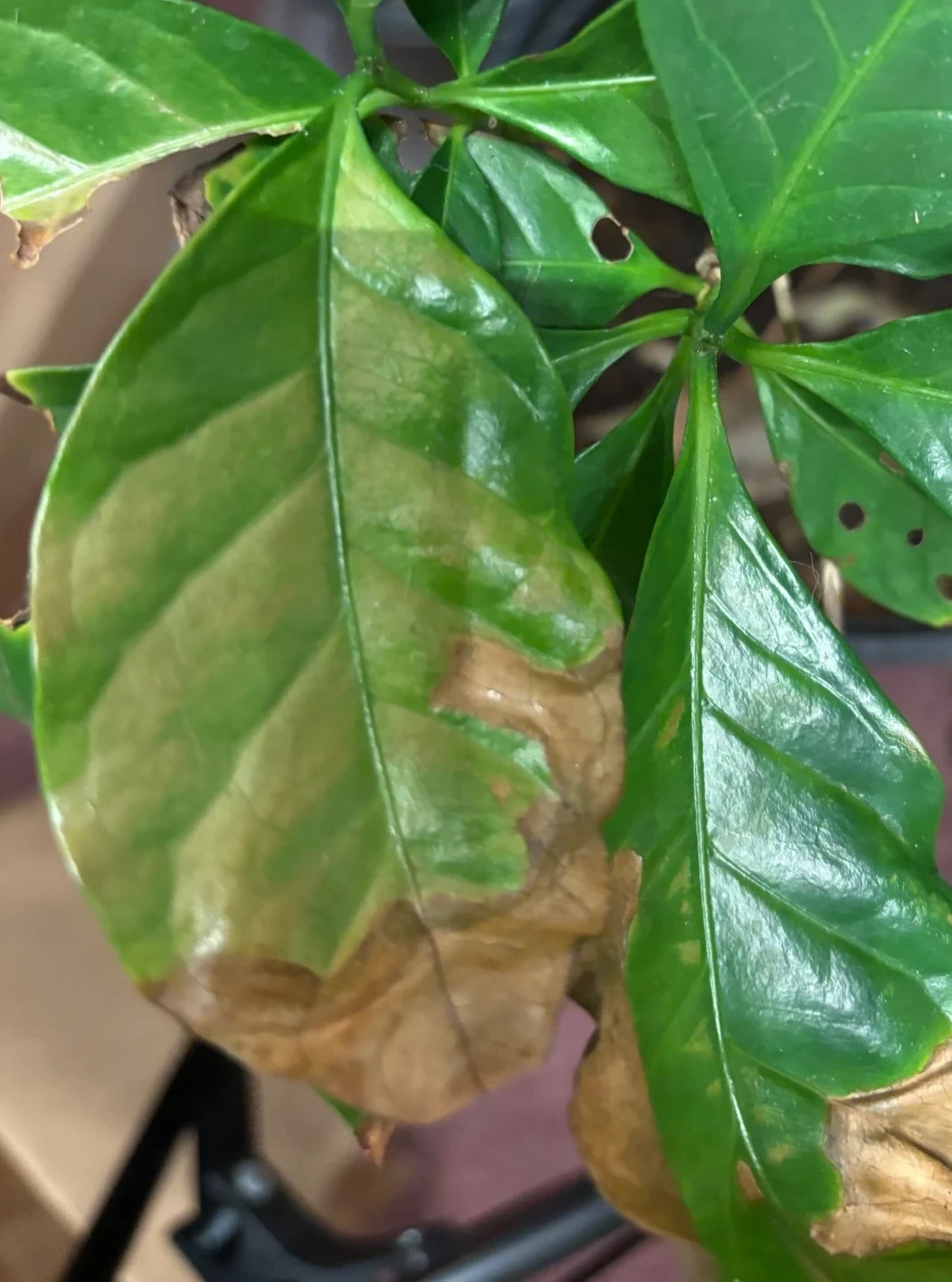
- Brown Patches on Sun Facing Sides: Classic sun burn, especially when moving a plant suddenly to a brighter spot.
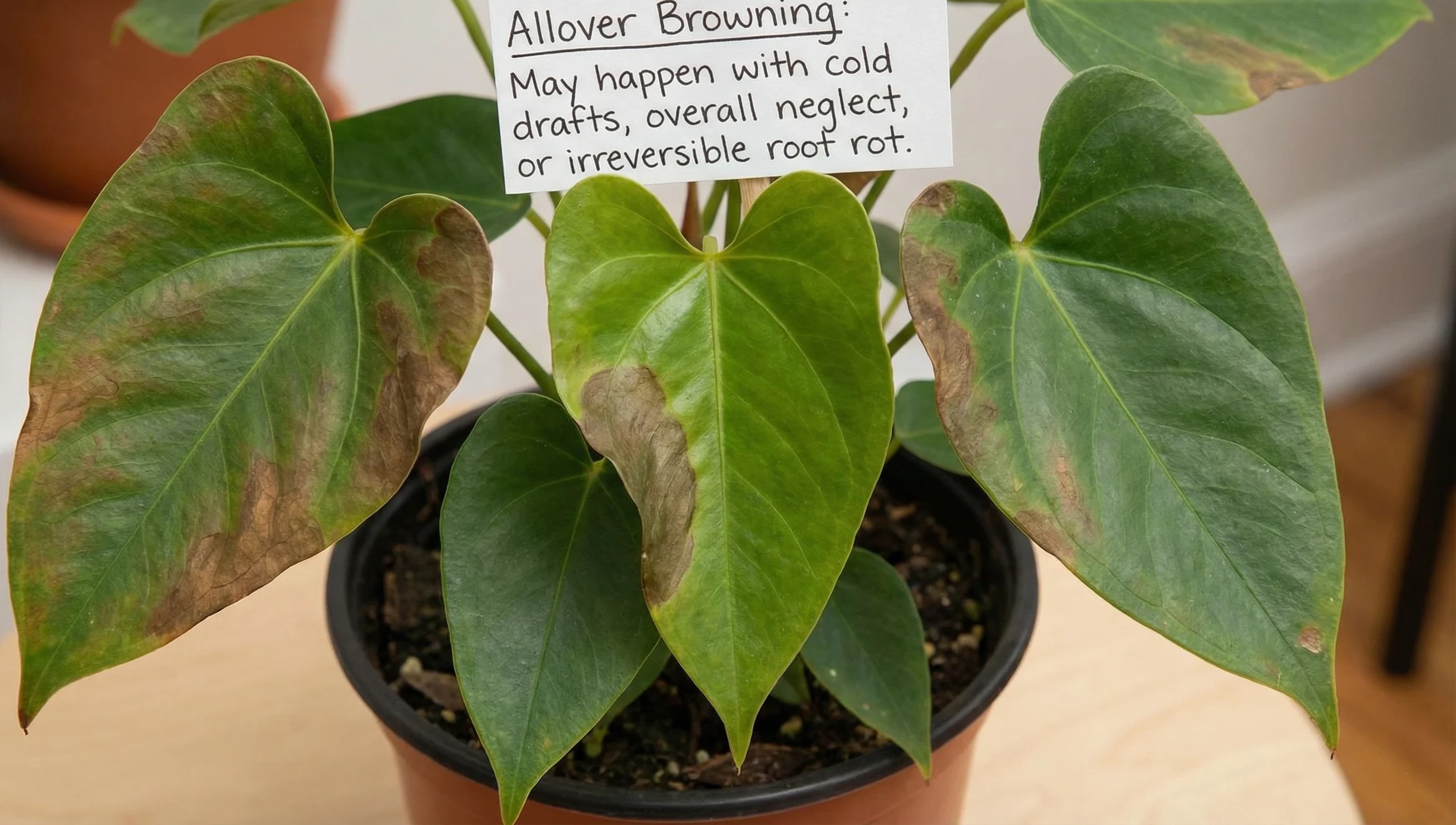
- Allover Browning: May happen with cold drafts, overall neglect, or irreversible root rot.
Caring for Brown Leaves: What I Do Step by Step
Catching the problem early makes it easier to correct. Here’s my step-by-step approach when I see browning leaves on my plants:
- Check Soil Moisture: I stick my finger an inch or two into the pot. Dry? That’s a sign to water. Soggy? I ease up on watering and check drainage holes to prevent root rot.
- Review Humidity Levels: I like to use a small hygrometer near my moisture loving plants. If humidity is below 40%, misting or placing a tray of water nearby helps. If you’re noticing many plants suffering from low humidity in your room then purchasing a humidifier and keeping it near the plants may help as well.
- Inspect Fertilizer Routine: I check my calendar and whether I might be feeding too much or too little. I tend to flush pots with distilled water if I’ve overfertilized, to wash salts from the soil.
- Assess Water Quality: I switch to filtered or distilled water for sensitive plants if I see brown tips, especially when my tap water leaves spots around the pot or smells chlorinated.
- Analyze Lighting: Scorched leaves lead me to move the plant a bit farther from the window or provide a sheer curtain between the plant and bright sunlight. If your plants are under grow lights, try dimming the lights or increasing the distance from the light to the leaves.
- Check Nutrient Needs: I look for patterns, like pale new leaves or overall weak growth, which might suggest switching to a complete liquid fertilizer, balanced for indoor plants.
- Remove Brown Leaves: I trim off the dead portions with clean scissors, sometimes leaving a thin margin of brown to avoid cutting into living tissue. This keeps the plant looking tidy and encourages new growth.
Quick Guide to Preventing Brown Tips and Edges
Prevention saves both time and stress. Here are my top habits that have helped keep my houseplants’ leaves in good shape:
- Regular Watering: I make it routine to check soil every few days rather than waiting for the plant to droop or brown.
- Proper Drainage: Every pot I use has drainage holes, and I avoid letting pots sit in water for long.
- Keep Humidity Up: For fussy plants, I group them together or use pebble trays and humidifiers, especially in winter.
- Gentle Fertilization: Less fertilizer, applied regularly at half the suggested strength, has worked well for me.
- Choose the Right Spot: I pay attention to each plant’s light needs and avoid placing shade loving varieties in direct sun.
- Use Safe Water: When in doubt, I use rainwater, filtered, or distilled water for watering.
When Brown Leaves Mean Bigger Problems
Sometimes, browning leaves are just one sign of a more serious issue. Prolonged leaf browning, lost leaves, mushy roots, or a foul odor from the soil can signal root rot or pest problems. In those cases, I remove the plant from its pot, check the roots (they should be white and firm), and trim away any rotted parts. Repotting in fresh, dry soil often gives the plant a second chance. You might also notice pests like fungus gnats or spider mites if the plant is in distress for too long; treating both the plant and soil can help the recovery. In rare cases, especially for large or mature plants, it can take a season or more for healthy new growth to return after root repairs.
Practical Examples From My Own Experience
I’ve had spider plants develop brown tips just a week after moving them to a new apartment. After switching to filtered water and misting them every other day, their new growth came in green again. On the other hand, my coffee plants suffered brown patches after I left them under a grow light with the light too high; increasing the distance turning down the light solved the problem, but the damaged leaves didn’t recover, so I trimmed them away.
Outdoor plants, like hydrangeas, can get brown edges after a stretch of hot, dry weather. I’ve found a good watering schedule and laying down mulch around the base really helps them bounce back. With more delicate annuals or bulbs in containers, browning often means I need to adjust watering schedules for temperature changes, especially during sudden cold or windy periods.
Leaf Browning and Common Myths
It’s easy to assume all brown leaves mean a plant is dying, but that’s rarely the case if you catch the issue early. I remind myself that one or two brown leaves aren’t a disaster. Sometimes, aging leaves naturally dry out and fall, especially on older growth. Another myth is that brown edges always mean the plant is dry. Sometimes, the opposite is true, especially if water sits around roots or humidity spikes unexpectedly. Understanding what causes the browning helps you respond appropriately without guessing.
Frequently Asked Questions
Why do indoor plants get brown tips even when I water regularly?
Even if plants get enough water, low humidity, poor water quality, or fertilizer buildup can all cause brown tips. Indoor environments are usually drier, especially with heating or air conditioning running. Check the room of your house plant with a hygrometer to find the humidity level of the room.
Should I cut off all healthy leaves with some browning?
I only remove the brown parts or fully brown leaves. Leaving some brown tips is fine, as long as the rest of the leaf is green and healthy. Remember that with new growth the brown leaves will be replaced.
Can brown leaves turn green again?
Once leaves turn brown, that tissue is dead and won’t recover. New growth will be green when the problem is fixed.
Is filtered water always necessary for houseplants?
It depends on the plant and the local water’s quality. Sensitive plants benefit from filtered or distilled water, but many sturdy houseplants can handle regular tap water if allowed to stand overnight first.
Key Takeaways for Healthier Leaves
Catching brown leaves early and figuring out what’s causing them helps most plants recover well. Regular checking, adjusting your watering habits, paying attention to humidity, and using safe water can really make a difference. With some practical tweaks, plants usually reward you with lush, green leaves again. If you make small changes to your routine and pay attention to the symptoms, you’ll notice improvement over time. For extra reassurance, keep a plant care journal, noting when you water, fertilize, or move your plants. This helps spot patterns and keeps your collection healthy.
This really resonated with me because I have several outdoor plants, and after the recent typhoon, I noticed many of their leaves turning brown. At first, I worried they were beyond saving, but your explanation of the different causes made me realize that it could be stress from too much water, poor drainage, or even nutrient loss.
I’ve started trimming the worst leaves and checking the soil more carefully, which gives me hope that new growth will occur. I particularly appreciate your reminder that one or two brown leaves don’t necessarily mean the plant is dying; it’s reassuring after seeing so much damage all at once.
Have you found that mulching or adjusting watering schedules helps outdoor plants recover faster after heavy storms?
Hi Celia! Yes mulching is a great idea. It retains moisture in the soil and provides a slow release of nutrients into the soil for the plant. You would want to water less after a storm. Be sure to check the soil often and know the plant. If it’s a plant that likes a lot of water then water more often, but if it’s a plant that does better with drier conditions then let it be for a while. I hope this helps and let me know if you have any other questions or want specifics.