In our last article we discussed “Why Are Plant Leaves Turning Brown?” But what if your plant leaves are turning yellow? Well in this post we’ll discuss this.
If you ever notice the leaves on your plant turning yellow, you’re not alone. I’ve seen this happen with my own plants, and it’s one of the most common problems plant owners face. Yellow leaves are a signal that your plant is under some sort of stress. Figuring out why is really important if you want your plant to thrive. In this guide, I’ll walk you through the major reasons behind leaf yellowing and what steps you can take to bring your plant back to health, as well as provide practical tips to keep your plants looking vibrant throughout the year.
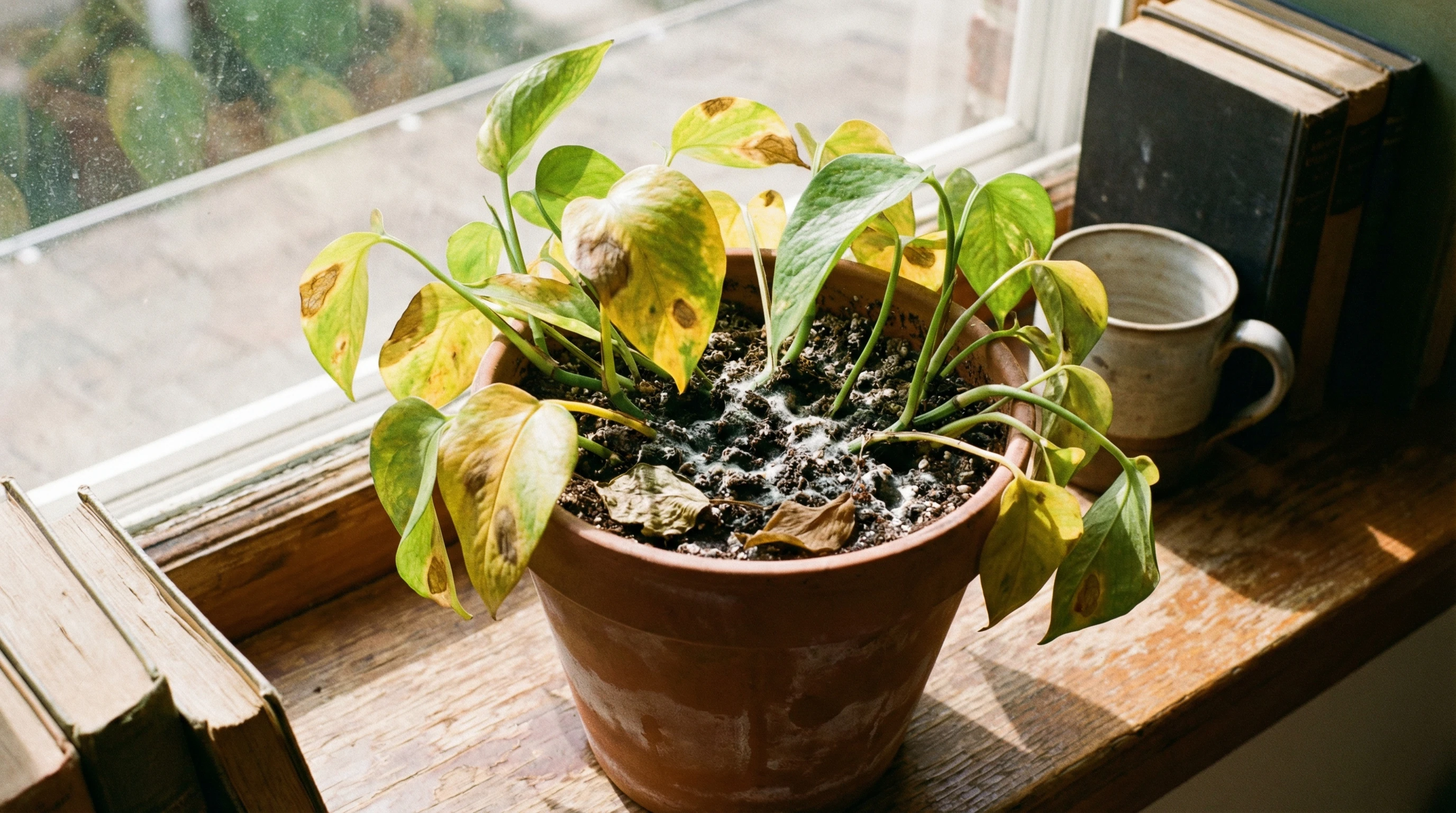
Common Causes of Yellow Leaves on Plants
Yellowing leaves can mean a few different things, and the cause depends a lot on the plant’s environment, your watering routine, and even the age of the leaves. I’ve found that most cases fall into these main categories:
- Overwatering: Soggy soil, soft or wilting lower leaves, and slow growth are all signs.
- Underwatering: Dry, crispy, yellow leaves that drop off easily.
- Nutrient Deficiency: Pale yellowing across the whole plant or stunted new growth.
- Pests: Yellow spots, stippling, or webbing on leaves.
- Natural Aging: The oldest, lower leaves turn yellow and die off in sequence.
I’ll break down each one so you can match the symptoms to what you see in your own plant.
How to Diagnose the Root Cause
Figuring out why your plant’s leaves are turning yellow starts with a close look at the plant’s overall condition, the soil, and your care routine. Here are some common clues I use:
- Feel the Soil: Stick your finger an inch or two deep. Soggy soil could mean overwatering; bone-dry means the opposite.
- Check the Pattern: Are all leaves yellowing, or just the oldest? Is the yellowing patchy or uniform?
- Look for Other Symptoms: Wilting, spots, curled leaves, or pests can help you narrow it down.
- Note Your Watering Schedule: How often you water makes a big difference. Overwatering happens more than most people expect.
- Inspect for Pests: Look under leaves and along the stems for insects, webbing, or sticky residue.
When I see yellow leaves on my own plants, these are the first steps I follow before reaching for the watering can or fertilizer. Taking your time to study your plant can really help you track down the cause, making it easier to fix the issue before it gets worse.
Breaking Down the Top Reasons for Yellow Leaves
1. Overwatering (Most Common Problem)
I’ve lost a few plants this way before I got the hang of things. Consistently moist or soggy soil is the main sign you’re giving your plant more water than it can use. The roots end up sitting in water, which makes them rot and kills their ability to take up nutrients. Signs include yellowing at the bottom, wilting, or even mushy stems. It’s easy to overdo it, especially with pots that don’t have good drainage or if you use a heavy soil mix.
What to Do: Let the top two inches of soil dry out before watering again. Make sure your pot has drainage holes. If the roots smell bad or look black, remove the plant from the pot, trim away the black roots, and replant in fresh, dry soil. For more tips, check the University of Illinois Extension’s guide on plant leaf yellowing.
2. Underwatering
Dry, crispy, yellow leaves that eventually drop off are a classic sign of underwatering. Sometimes new growth stalls too. Plants like succulents can handle it, but more leafy plants will start to suffer pretty quickly if they get too little water.
What to Do: Check your watering schedule. Some plants like to dry out between waterings, but most like a steady supply of moisture. Water thoroughly when the soil is completely dry but don’t just give it a little at the top. Make sure water reaches the roots. Consider using a moisture meter if you’re unsure. If you regularly travel or forget to water, setting a reminder can help keep soil moisture in the right zone.
3. Nutrient Deficiency
If your plant is consistently moist but the leaves look pale yellow all over, it’s probably missing something in the soil. Nitrogen deficiency is the most common, but magnesium or iron can also cause problems. New leaves may appear stunted, and older leaves lose color first. This problem grows more likely if you’ve had the plant in the same soil for years or if you rarely feed it.
What to Do: Try a balanced, water-soluble houseplant fertilizer. I usually start with half-strength, then see how the plant reacts over a few weeks. For chronic problems, consider adding new soil or slow-release fertilizer. More about nutrient issues can be found in this helpful Clemson University resource. Remember, always follow the directions on the label—too much can harm your plant as much as too little!
4. Pests and Diseases
Pests like spider mites, aphids, or mealybugs can suck on plant sap and cause yellow areas, spotting, or speckling. You might see fine webbing or sticky residue. Fungal and bacterial infections sometimes cause yellowing as well, usually along with spots or black/brown patches. It’s crucial to act quickly here, as pests can spread like wildfire and stress the plant even further.
What to Do: Wipe down leaves with a damp cloth, use a gentle insecticidal soap, or spray with neem oil. Quarantine the plant if you have others nearby to prevent spread. For diseases, trim away affected leaves and avoid splashing water onto foliage. Regular checks under leaves and in the soil can help you spot problems early and keep your collection healthy. If an outbreak is bad, you might need to repot with fresh soil to fully get rid of the invaders.
5. Natural Aging
I see this in my longtime houseplants: older, bottom leaves turn yellow and drop off, usually one at a time. This is no reason to worry! Plants naturally shed their oldest leaves as they grow. As long as the rest of the plant looks healthy, you can simply remove old yellow leaves with clean scissors. This process gives room for new, healthy leaves to take their place, keeping your plant looking neat and cared for.
Extra Factors to Keep in Mind
- Lighting: Too much direct sunlight can scorch leaves, while not enough makes them lose color. Find out what your specific plant likes and adjust its spot in your home. You might need to move plants seasonally to avoid the brightest sun or make use of a grow light if your home is dim.
- Repotting Shock: After repotting, it’s common for a plant to drop a few leaves or show yellowing as it gets used to its new pot or soil. Give it a bit of extra care for a couple weeks after a move.
- Temperature: Sudden chills or hot drafts from radiators can stress plants, leading to yellowing. Most houseplants prefer steady, mild temperatures; keep them away from heating or cooling vents, and avoid placing them on cold windowsills during winter.
Reviewing these conditions can reveal the real source of your plant’s trouble and helps you make quick changes. Occasionally, even air quality or pollution (like smoke from candles or cooking) can mess with sensitive indoor plants, so pay attention to where you keep them!
Quick Tips to Help Your Plants Recover
- Water Consistently: Find the right schedule for your specific plant and stick to it. Most houseplants hate swings between bone dry and soaking wet.
- Keep Soil Healthy: Repot every one or two years to refresh nutrients and reduce risk of root rot. Fresh soil can also break pest cycles and give plants room to grow.
- Watch for Pests: Check your plants every time you water and clean leaves as needed. Early action can stop a small problem from turning into an infestation.
- Boost Humidity: Some plants, especially tropical types, love extra humidity. Group plants together or use a small tray with water and pebbles. You can also mist leaves occasionally, but be careful not to create standing water on the leaves or soil.
- Gently Rotate Plants: Give your plants a little spin every few weeks. This helps them grow evenly toward the light and can prevent leggy growth (stems stretching toward the sun).
These are easy steps I use for my own collection, and they often make a big difference. Over time, you’ll get a feel for what your plants like best, and caring for them becomes much more natural and rewarding.
Popular Questions About Yellowing Leaves
Why are just the bottom leaves turning yellow?
Older leaves naturally yellow as they age, especially if new growth looks healthy. If lots of leaves are turning at once, it could mean overwatering or a lack of nitrogen. Always check soil moisture before making changes.
Should I cut yellow leaves off my plant?
Yes, if the leaf is fully yellow, you can trim it away. This doesn’t hurt the plant and helps it focus on new, healthy growth. Always use clean scissors and avoid cutting into green, healthy parts of the plant to prevent introducing disease.
How can I keep my plant’s leaves green and healthy?
Water on a regular schedule to avoid extremes, feed your plant during the growing season, and make sure it gets the right amount of light. Checking for pests and keeping the room temperature steady also helps a lot. Don’t forget that dust on leaves can block sunlight—wiping them down gently every now and then can give a boost to your plant’s health.
When do I need to worry about yellowing?
If the yellowing is sudden, spreading fast, or comes with drooping, mold, or black roots, take action soon. Chronic yellowing means your plant needs a change in care, while a few yellow leaves on their own are usually not a big deal. Trust your instincts—if something looks off, a quick adjustment might be all it takes.
How I Handle Yellow Leaves in My Own Plants
In my experience, patience and careful observation matter. I always start by checking soil moisture and reviewing my care schedule. Most of my yellow-leaf problems got solved by adjusting watering or adding a gentle fertilizer. If you’re just starting out, keep things simple: a regular watering schedule, decent natural light, and a close eye for changes. Over time, you’ll be able to spot what your plant needs just by looking at the color of its leaves and the feel of the soil. I’ve also learned that keeping a plant journal—just a simple notebook with notes on watering, feeding, and any changes you make—makes it much easier to spot patterns and correct issues quickly.
Healthy plants do lose old leaves from time to time. That’s totally normal. The real sign of trouble is when there are patterns, like all-over yellowing, patchy spots, or a fast spread up the stem. Each time I see yellow leaves in my collection, I use it as a learning opportunity to get better at plant care. With a little patience, you’ll start to recognize these signs too, and your plants will thank you with fresh, green growth. Taking the time to understand what your plant is trying to tell you makes caring for them much more rewarding and helps you build a greener, happier home overall.
Hello!
This was super helpful — I’ve definitely had more than a few houseplants with yellowing leaves and always wondered whether I was over-watering, under-watering, or just doing something totally wrong! I loved how you broke down the common causes in a way that actually made sense instead of leaving me scrolling through a million different answers online. It made me realize that it isn’t just one thing — light, water, nutrients, and even pests can all play a role.
For someone who’s still figuring out their “plant rhythm,” is there one tell-tale sign you’d look at first when you see yellow leaves (like droopiness vs crisp edges)? And do you recommend checking soil moisture before anything else, or is it better to start with light exposure? This article definitely gave me a better foundation to troubleshoot my next yellow leaf mystery!
Angela M 🙂
Hi Angela,
I’d definitely look at the plant first. How much light is it getting? Does it look like it’s getting enough? If you’re not sure try checking the soil next. Start with the little things first. If the soil feels like it needs more water add more water, or if the soil feels like it has enough water you might be over watering. Generally with house plants they need well draining soil once a week. Review how ofen you’re watering and adjust accordingly. If you’re satisfied your watering schedule is adequate than I’d look at the light requirements of the plant. I’d google it. You may need to adjust lighting. It could be a combination of factors as well. Trial and error are the best ways to find out what works best for your plant. If you start to see new growth on the plant ignore the yellowing leaves and let the plant eventually shed it’s yellowing leaves. I hope this helps.