If you’re looking to make any space feel cozier or just want a hobby that brings a bit of green into your life, houseplants are a really good place to start. There are so many types out there that choosing one can feel a bit overwhelming, especially if you don’t know what sets a pothos apart from a monstera. Here, I’ll walk you through the basics of understanding different kinds of houseplants, how to care for them, and which ones make the best addition to any setup, whether you’re brand new to plants or you’ve already got a mini jungle going at home.
Getting to Know the Different Types of Houseplants
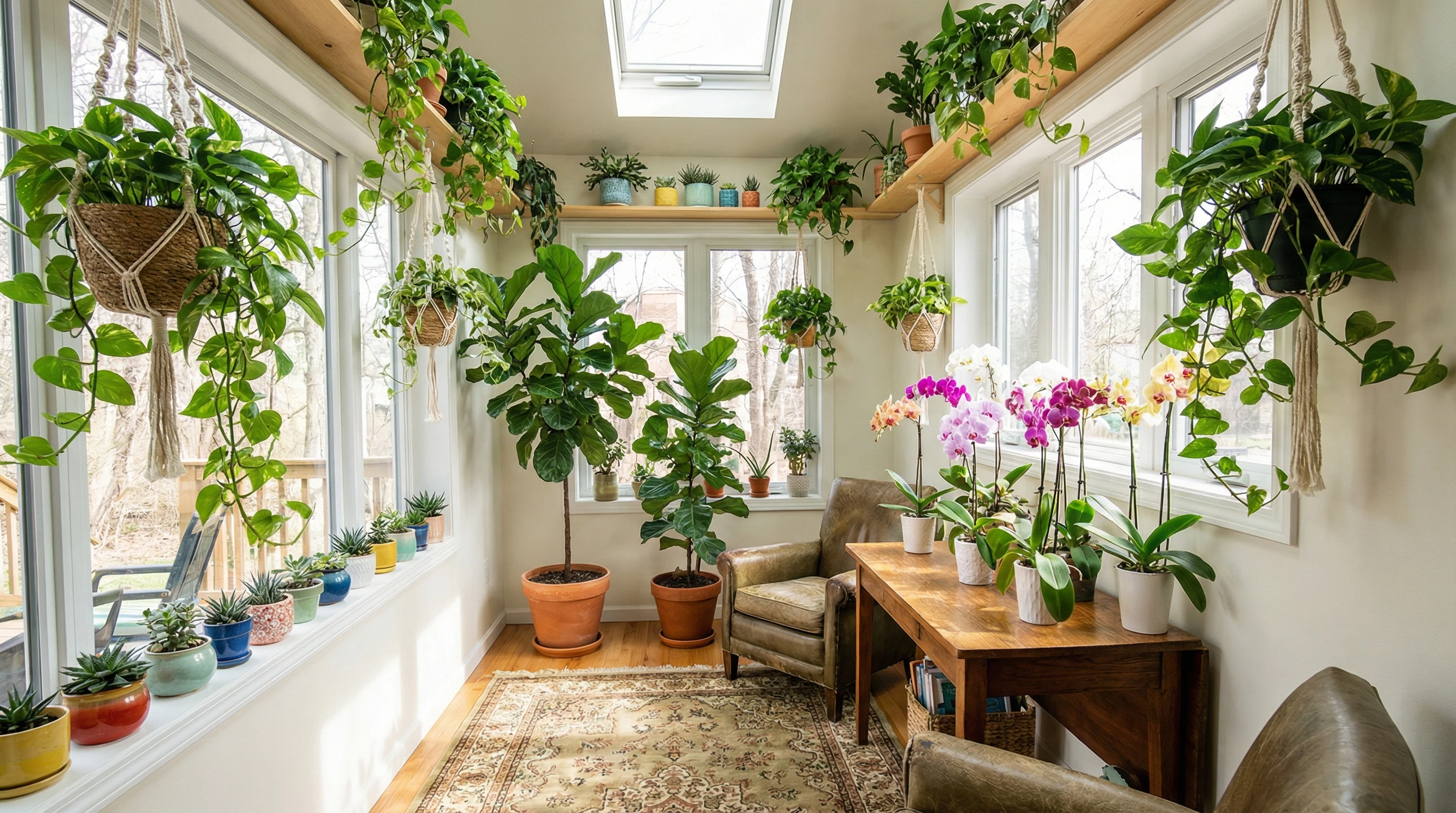
Houseplants come in all sorts of shapes, sizes, and personalities. Some are super easy to care for, while others are a bit more high maintenance. The main thing to remember is that each plant has its own needs, so what works for one might not fly with another. Here’s a breakdown of some key categories you’ll often come across:
- Tropical Foliage: These plants love humidity and warmth, for example peace lilies, monsteras, and philodendrons.
- Succulents & Cacti: Ideal for anyone who often forgets to water, these plants store water in their leaves or stems. Aloe vera and jade plants are classics.
- Flowering Houseplants: If blooms are your thing, orchids, African violets, and anthuriums are worth checking out.
- Ferns: Known for their delicate, feathery fronds, varieties like Boston fern do well in moist, shady spots.
- Palms: These are great for bringing a bit of the tropics indoors, with parlor palm and Areca palm being the most popular.
- Vining & Trailing Plants: Pothos and English ivy love to spill out of their pots, making them super pretty in hanging baskets.
Top 10 Indoor Plants and Their Names
Some houseplants have become real favorites because they mix good looks with easygoing vibes. Here’s a quick look at the ten I see popping up everywhere, and for good reason:
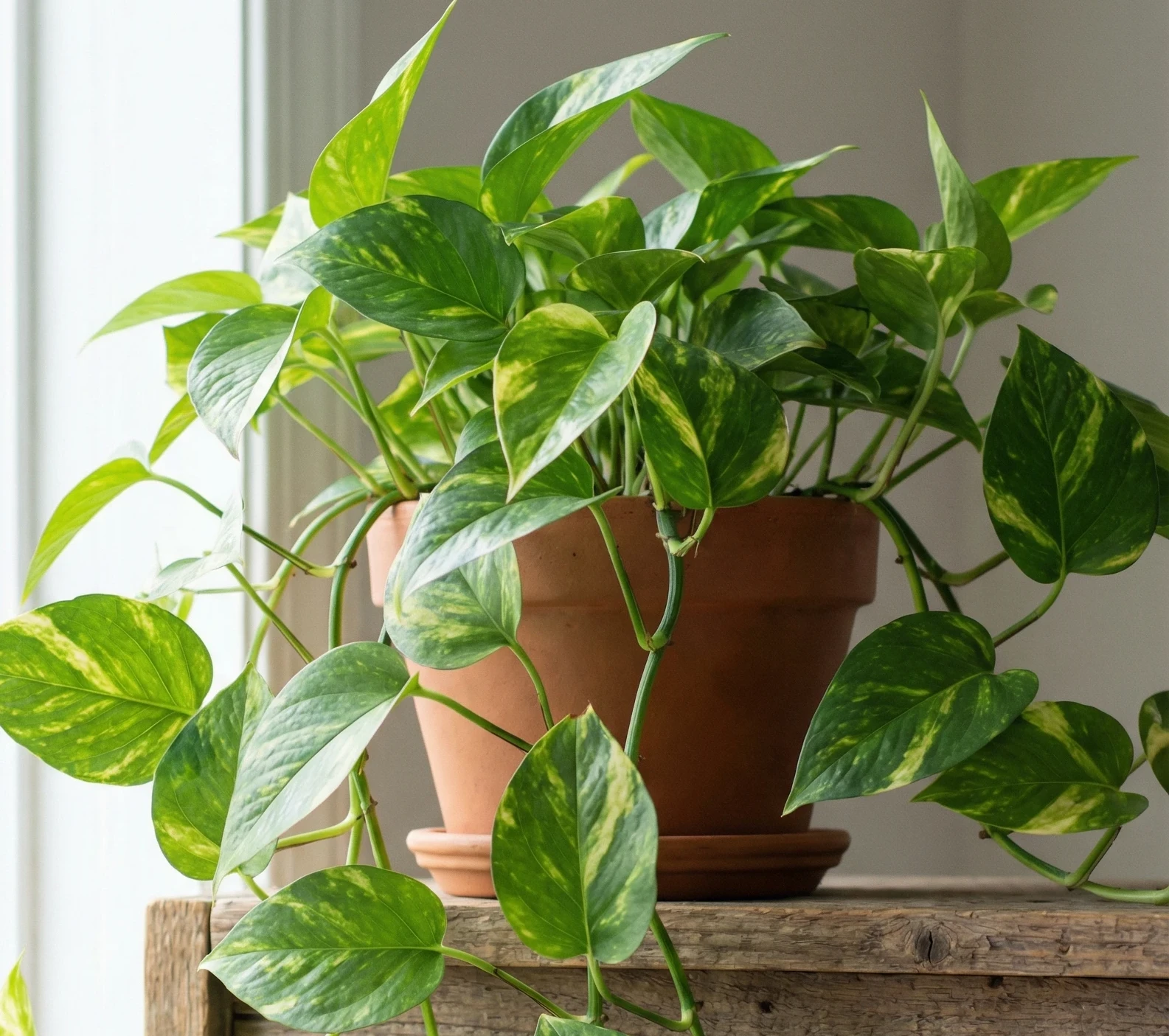
- Pothos (Epipremnum aureum): A go to for beginners, with trailing vines and heart shaped leaves. Low fuss, fast grower.
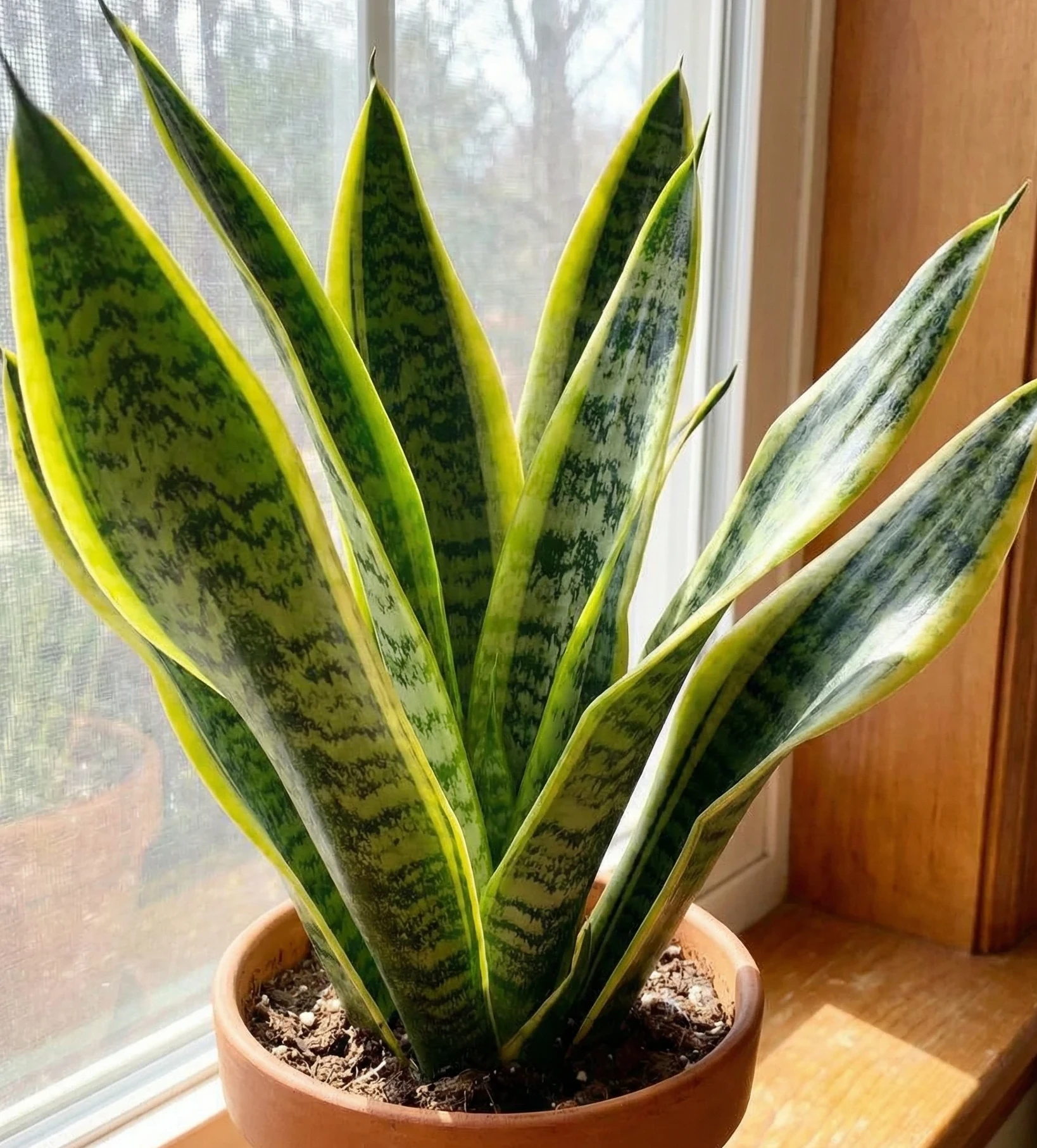
- Snake Plant (Sansevieria): Tough as nails, can handle low light, and only needs occasional watering.

- ZZ Plant (Zamioculcas zamiifolia): Another favorite for anyone who forgets to water. Shiny, waxy leaves and low light tolerance.
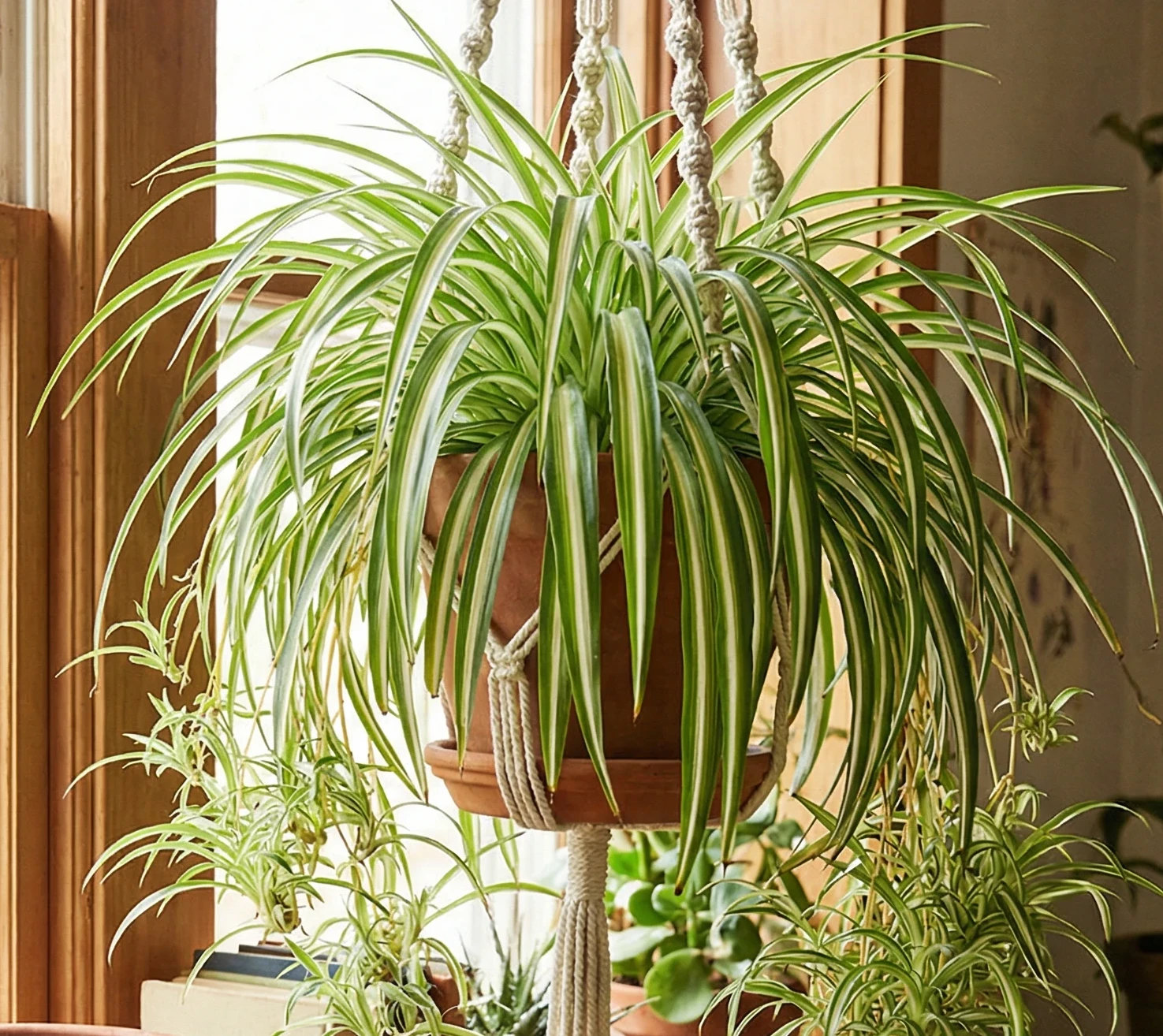
- Spider Plant (Chlorophytum comosum): Produces baby offshoots you can pot up and share. They’re pretty adaptable to various lighting.
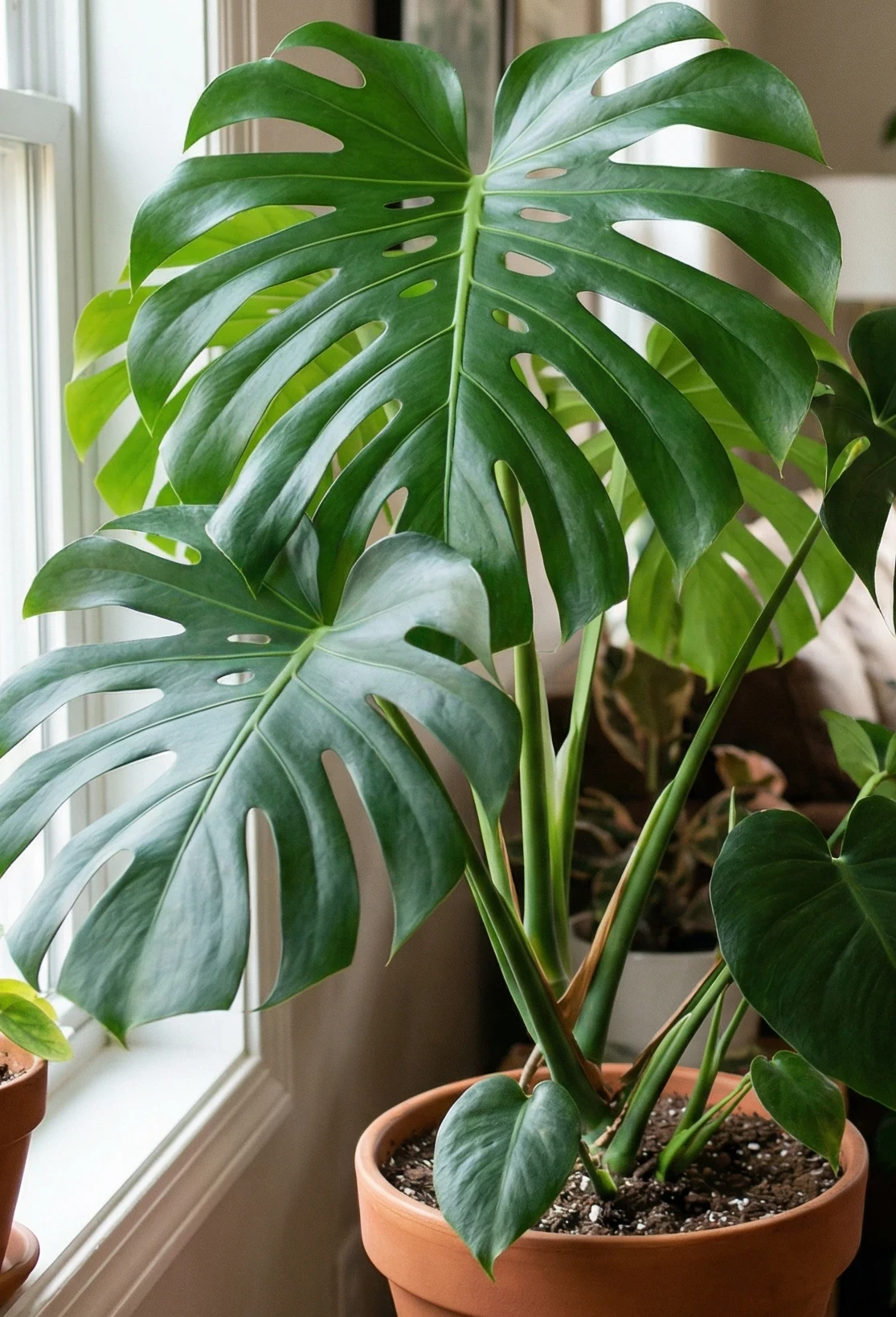
- Monstera (Monstera deliciosa): With its big, hole filled leaves, the monstera is super trendy and adds a tropical vibe.
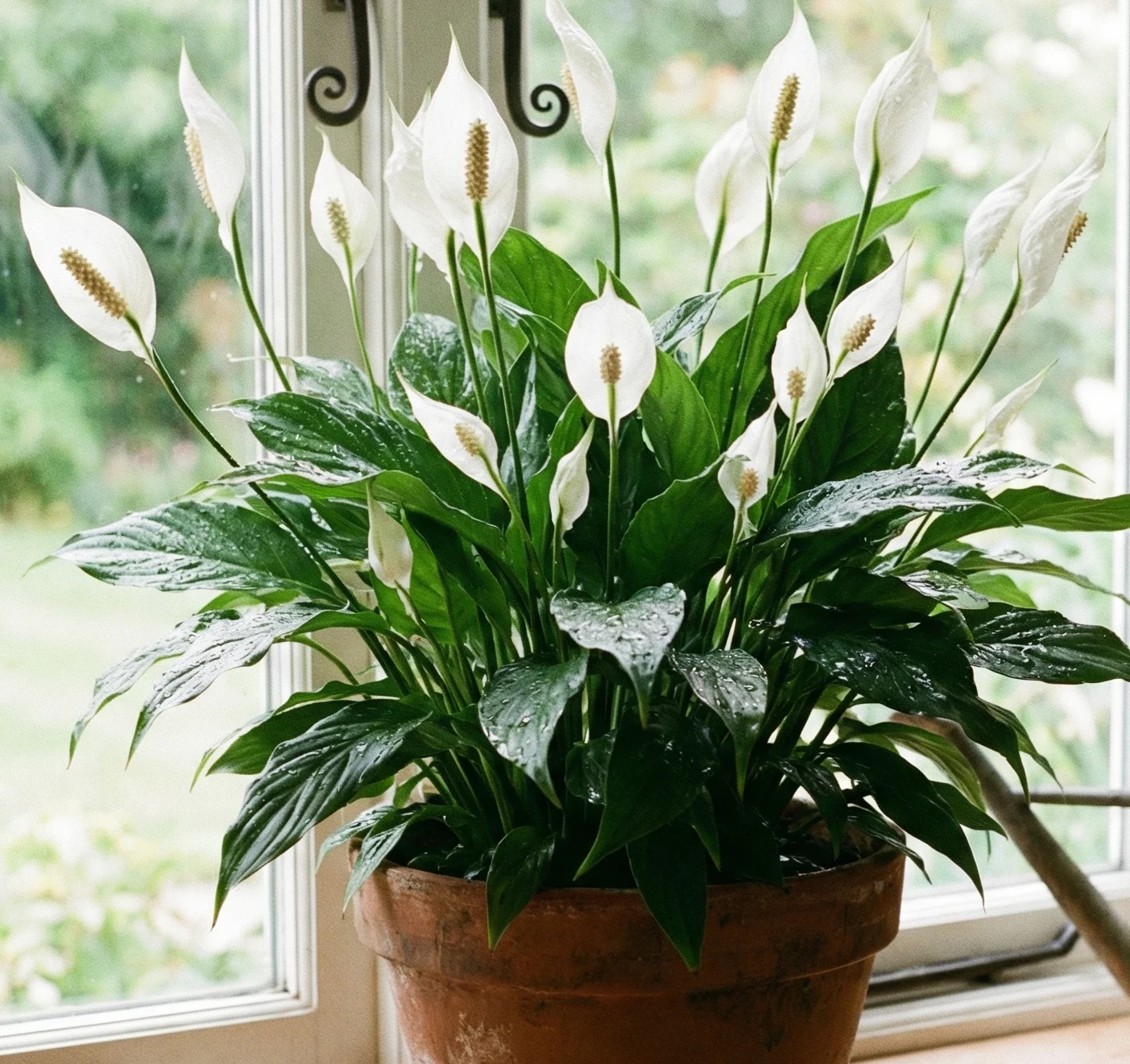
- Peace Lily (Spathiphyllum): Famous for its white blooms and air cleaning abilities. Needs regular watering and prefers a shadier spot.
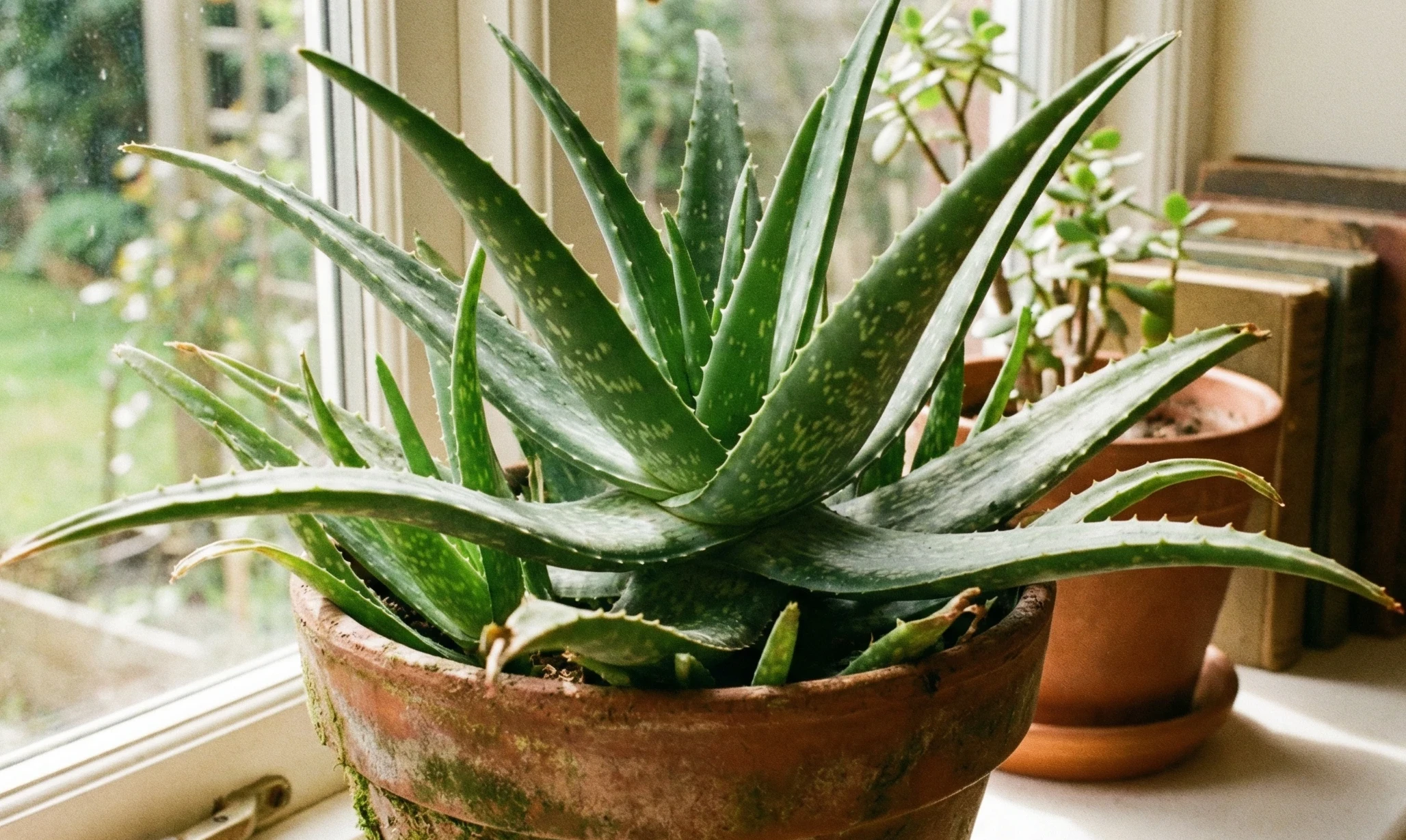
- Aloe Vera: Not just great for burns, aloe is a succulent that’s easygoing and neat looking.
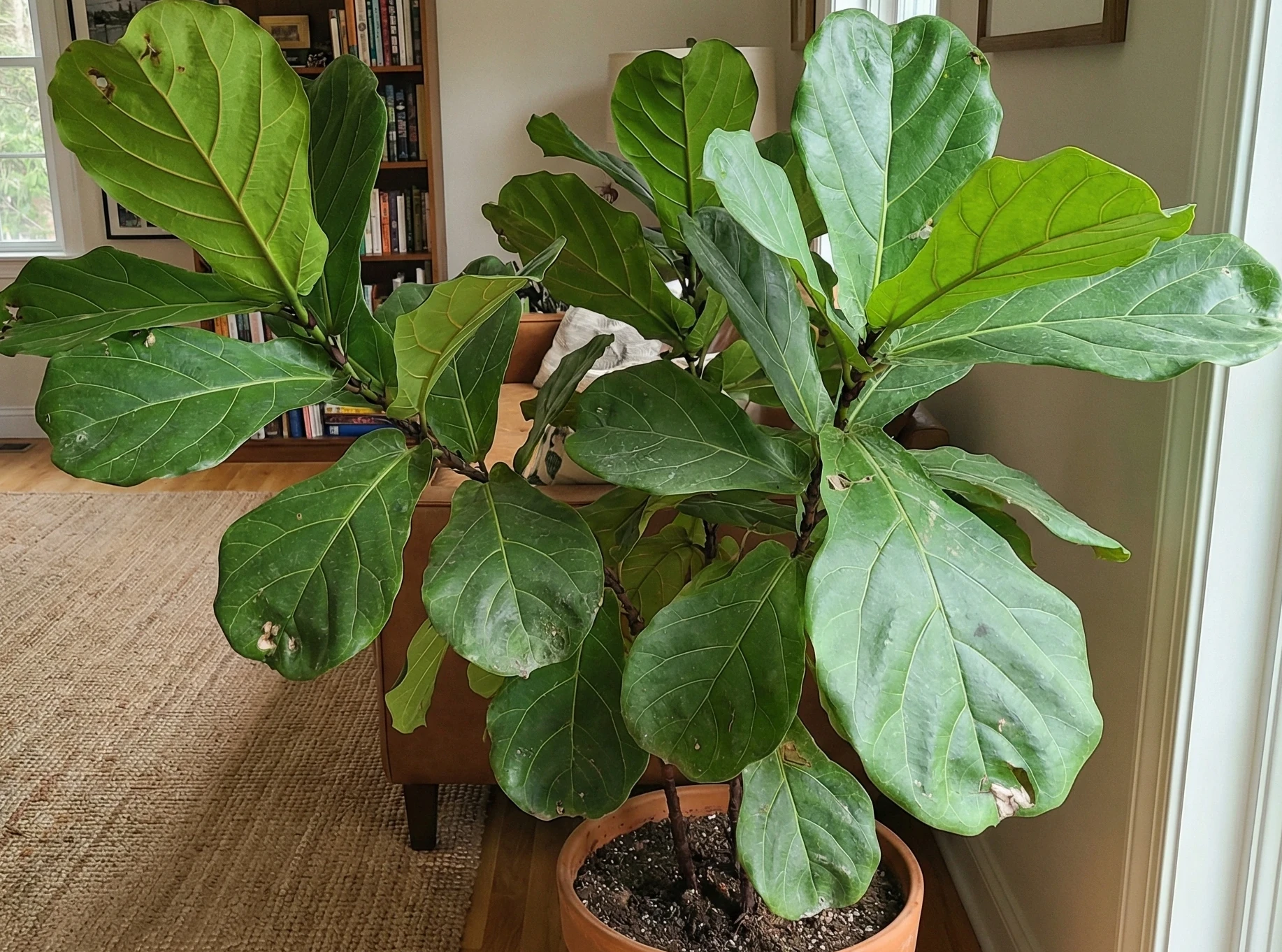
- Fiddle Leaf Fig (Ficus lyrata): Known for its broad leaves and dramatic look. Likes bright, indirect light.
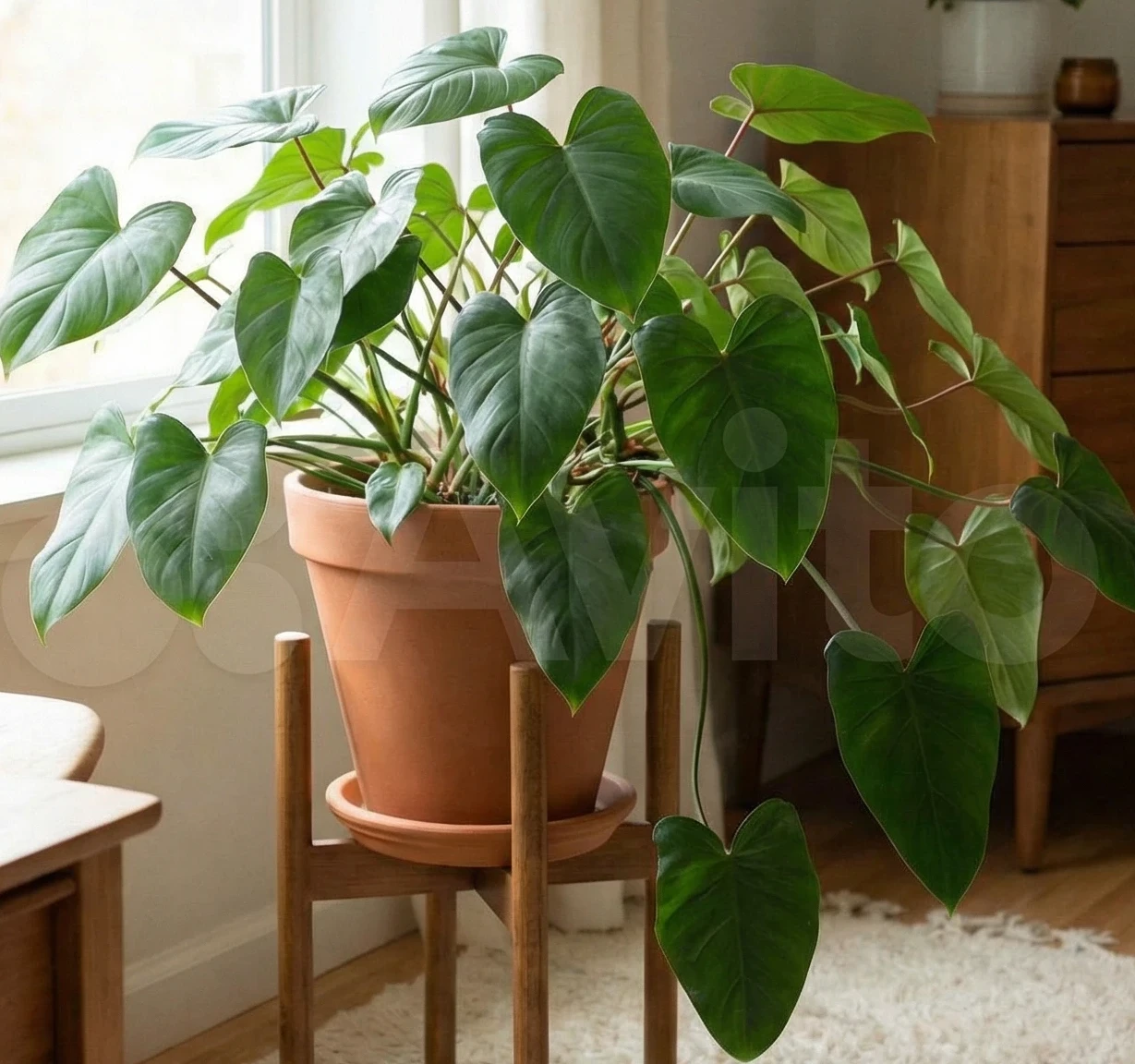
- Philodendron: Lots of varieties, all pretty chill. Heartleaf is super easy and good for hanging baskets.
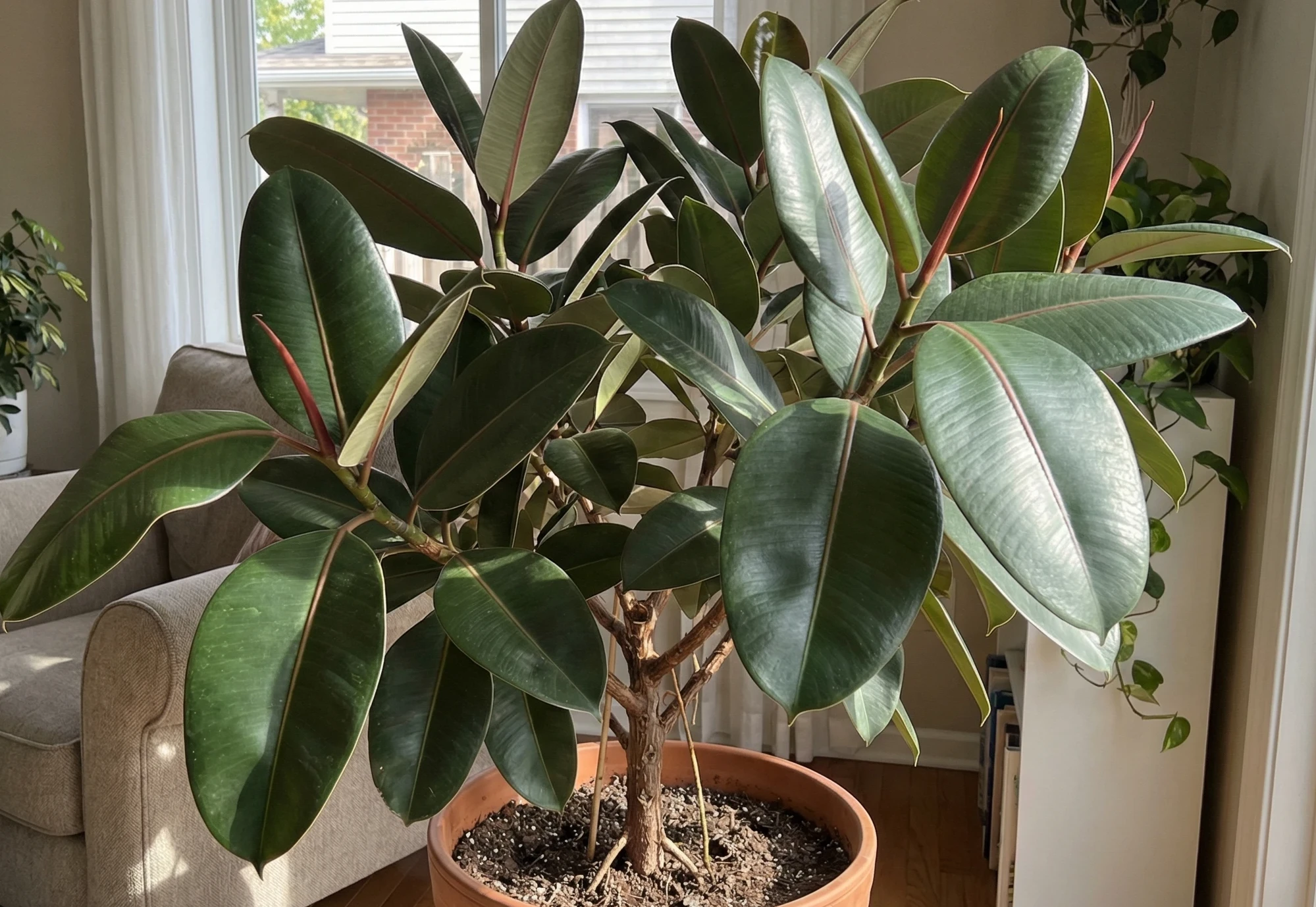
- Rubber Plant (Ficus elastica): Thick, shiny leaves and a knack for getting tall if you let it.
All of these offer different looks and fit into many spaces, whether you need something for a desk, bookshelf, or sunny windowsill.
Lighting Requirements for Houseplants
Light might be the most important factor for keeping your houseplants happy. Every plant needs it, but not always the same amount. Here’s how I usually sort it out:
- Bright, Indirect Light: Most tropicals (monstera, fiddle leaf fig, peace lily) prefer this, near a window but not blasted by the sun.
- Low Light: Snake plants, ZZ plants, pothos, and some ferns don’t get fussy if they’re not getting tons of sun.
- Direct Sunlight: Cacti and succulents are happiest sunbathing on a windowsill, soaking up the rays.
Too much sun can scorch leaves, while too little will make many plants go pale or stop growing. If you only have one good window and lots of shade indoors, stick with the easygoing low light varieties.
Fertilizer Needs and Feeding Schedules
Feeding your plants is pretty important, but not as often as you might think. Most houseplants only need fertilizing during their growing season, which is usually spring and summer. Skip the fertilizer in fall and winter, since they slow down during those months and don’t really use the extra nutrients.
- General Rule: Use a balanced, water soluble fertilizer (like 20-20-20) every 4 to 6 weeks during the growing months.
- Succulents & Cacti: Opt for a mix meant specifically for them, as cactus fertilizer has less nitrogen, which keeps them compact.
- Flowering Plants: They like something with more phosphorus (the middle number) to help buds and blooms develop.
Plants like pothos or ZZ don’t need much to get by, while heavy feeders such as monsteras and fiddle leaf figs will show dull growth and smaller leaves if you forget to feed. Always follow the directions, since too much fertilizer can actually burn roots and cause issues.
Soil Needs for Different Houseplants
Using the right soil makes more of a difference than you might expect. It’s not one size fits all, so here’s a little cheat sheet for picking the right mix:
- Tropicals & Foliage Plants: Standard potting soil works fine. For monsteras and philodendrons, I like to include a bit of orchid bark or perlite so water drains through easily while still having plenty of nutrients.
- Succulents & Cacti: Always use cactus or succulent mix, since it’s sandy and dries out fast, which prevents root rot.
- Ferns: These like soil that holds on to moisture but still drains well. Adding peat moss or coco coir gives them a softer, loamy texture.
- Palms: Use a light, well draining potting soil. Mixing in some sand never hurts for better drainage.
Avoid reusing garden soil indoors since it often brings in bugs or diseases and gets compacted, making it tough for roots to breathe. Fresh, good quality potting mix always works best.
Easy Care Houseplants for Beginners
If you’re like me and have a habit of forgetting about your plants for days (or weeks), these options are very forgiving:
- Snake Plant can handle dry spells, low light, and just about any neglect.
- ZZ Plant practically thrives on being ignored, just give it some water now and then.
- Pothos will bounce back from accidental underwatering like it’s no big deal.
- Spider Plant handles a wide range of conditions, even if your apartment’s light is inconsistent.
These plants have a reputation for resilience, so they’re my go tos for anyone starting out. Plus, they’re super budget-friendly and easy to find at garden centers or hardware stores. If you want a simple introduction to plant parenthood, try one (or a few) of these first!
Houseplants with Unique and Striking Foliage
If foliage is what you’re after, more than just green leaves, there are tons of fun options. Variegated leaves, bold patterns, and unusual shapes add next-level cool style to any room.
- Calathea: These have wild patterns in purple, pink, silver, and green. They look eye catching, though they can be a little fussy about humidity.
- Prayer Plant (Maranta): Bold veining on the leaves, and they actually fold up at night.
- Polka Dot Plant: Tiny leaves dotted in pink, white, or red spots.
- Monstera adansonii: Sort of like the regular monstera, but with leaves full of holes, almost like Swiss cheese.
These bring some texture and color into a space. Just know some can be a bit picky and may need a touch more patience and care than others.
Growth Habits: Trailing, Upright, and Clumping
Not every houseplant grows the same way. Some stretch upwards, others spill out of pots, and a few just spread in a bunch. Knowing the growth habit helps you decide where each plant fits best:
- Trailing Plants: Pothos, philodendron, and string of hearts are all great for hanging baskets, high shelves, or letting them climb a moss pole.
- Upright Plants: Fiddle leaf fig, snake plant, and rubber plant make bold vertical statements and work well as corner pieces.
- Clumping Plants: Spider plants, peace lilies, and ferns expand in bunches, which looks great in wide, low pots or on windowsills.
Mixing up the types in your space creates more interest and helps fill those awkward spots that feel a bit empty. You might also want to experiment with different pot shapes or plant stands to highlight each plant’s growth habit.
Extra Care and Characteristics to Watch For
Every plant comes with its own personality, including a few quirks to keep in mind:
- Humidity needs: Some, like ferns and calatheas, flounder in dry air. If your space is dry, a pebble tray or humidifier gives things a boost.
- Pet safety: Remember that a bunch of houseplants (pothos, philodendron, lilies) are toxic to pets if chewed. Always check labels before bringing home a new plant if you’ve got animal roommates.
- Air purifying abilities: Plants like peace lily, snake plant, and spider plant actually help clean indoor air, which is a nice bonus for stuffy rooms or apartments.
Double check each plant’s care tag or do a quick search before buying to make certain it’ll work in your space and fit your lifestyle. There’s nothing worse than falling for a plant only to find out it’s a bad match for your room or your schedule.
Beyond the Basics: Expanding Your Plant Collection
Once you’re comfortable with easy options, you might want to mix in some variety. Explore less common options like hoyas, alocasias, or even carnivorous plants for a touch of drama. Try propagating your easy plants – many vining types like pothos and philodendron will root from cuttings in water, so you can grow your own collection or share with friends. You can also make things more interesting by experimenting with creative plant displays, unique planters, or by grouping different leaf shapes and colors together for an eye catching mini jungle.
Keeping plants happy and thriving can turn into a relaxing, rewarding adventure all on its own. Over time, caring for your plants lets you see them change, grow, and even bounce back from rough patches, making them a great addition to any routine or living space.
Frequently Asked Questions
Here’s what people most often ask me about houseplants and their care:
What’s the best houseplant for a totally dark room?
Honestly, all plants need some light to survive, but snake plants and ZZ plants are the toughest when it comes to low light conditions.
How often do I need to water my houseplants?
This depends on the type. Succulents can go weeks, while ferns may need attention every few days. Check the top inch of soil, and if it’s dry, give it a drink.
Why are my plant’s leaves turning brown at the tips?
This is usually about dry air, overfeeding, or inconsistent watering. Try raising the humidity a bit or adjusting your watering schedule.
With these basics at your fingertips, picking the right houseplants gets a lot easier. Match your space and schedule to the right plant, and you’ll have a thriving indoor garden in no time. Take it one step at a time, and enjoy the process of watching your home fill with life and color.